
Things to Do in Paris: The Sights Worth Your Time, with 2026 Prices and How to Book

By Aurelio Maurici Co-Founder, Master of Business Law, Aix-Marseille Université III
Published

In this article
- Things to Do in Paris at a Glance
- 1. The Eiffel Tower
- 2. The Louvre
- 3. Notre-Dame de Paris
- 4. The Sainte-Chapelle
- 5. The Seine and Its Banks
- 6. Montmartre and the Sacré-Cœur
- 7. The Arc de Triomphe and the Champs-Élysées
- 8. Le Marais and the Place des Vosges
- 9. The Latin Quarter and the Panthéon
- 10. The Gardens: Luxembourg, Tuileries and the Jardin des Plantes
- 11. The Palais Garnier
- 12. The Catacombs
- Free Things to Do in Paris
- Things to Do in Paris with Kids
- The Paris Museum Pass: Is It Worth It?
- Getting Around Paris
- From the airports to the city
- A First Three Days in Paris
- Staying Longer in Paris
- FAQ
- Conclusion
The best things to do in Paris are the ones you have heard of, done well: the Eiffel Tower booked ahead, the Louvre at a quiet hour, Notre-Dame now that it has reopened, Montmartre in the morning, an evening along the Seine. What has changed is the practical side. Since 2026, several of the great sites charge visitors from outside Europe more than residents, the most popular ones sell out online weeks ahead, and the Centre Pompidou has closed for renovation until 2030. This guide sorts the sights by what they are worth to a first or second visit, with the official prices, hours and booking rules read on each site’s own page on November 25, 2026.
Paris is a city of 2,103,778 people (INSEE, 2023) in 20 arrondissements, the districts numbered in a spiral from the center that you will see on every street sign. Most of what follows sits within a few kilometers of the Seine.
Things to Do in Paris at a Glance
| Sight | Adult price, 2026 | Book ahead? | Closed |
|---|---|---|---|
| Eiffel Tower | 23.50 euros (second floor by elevator), 36.70 euros (top) | Strongly advised; stairs tickets must be booked | Open every day; top closed January 4 to February 5, 2027 |
| Louvre | 32 euros (non-EEA), 22 euros (EEA) | Time slot recommended; required December 19, 2026 to January 4, 2027 | Tuesdays |
| Notre-Dame | Free; towers 16 euros | Optional free slot; towers online only | Open every day |
| Sainte-Chapelle | 22 euros (non-EEA), 16 euros (EEA) | Strongly advised | January 1, May 1, December 25 |
| Musée d’Orsay | 16 euros online | Highly recommended | Mondays |
| Arc de Triomphe | 16 euros (October to March), 22 euros (April to September) | Not stated | May 1, May 8, July 14, November 11 morning |
| Sacré-Cœur | Free; dome 8 euros | No | Open every day |
| Catacombs | 31 euros | Strongly recommended | Mondays |
| Palais Garnier | 25 euros (non-EEA), 15 euros (EEA) | Online only | Varies with rehearsals |
| Panthéon | 13 euros (October to March), 16 euros (April to September) | Not stated | January 1, May 1, December 25 |
Sources: the official site of each monument, linked in its section below, read on November 25, 2026. The European Economic Area (EEA) is the EU plus Iceland, Liechtenstein and Norway; its citizens and residents get the lower prices, and Americans visiting pay the non-EEA rate.
1. The Eiffel Tower
Built by Gustave Eiffel for the Exposition Universelle of 1889 and finished in 2 years, 2 months and 5 days, the tower stands 330 meters tall today, its official site says, and welcomes about 6.5 million visitors a year, three quarters of them from abroad. Every evening it sparkles for five minutes on the hour.
| Eiffel Tower ticket, 2026 | Adult | Youth (12 to 24) | Child (4 to 11) |
|---|---|---|---|
| Second floor by elevator | 23.50 euros | 11.80 euros | 6.00 euros |
| Top by elevator | 36.70 euros | 18.40 euros | 9.20 euros |
| Second floor by stairs | 14.80 euros | 7.40 euros | 3.80 euros |
| Top by stairs, then elevator | 28.00 euros | 14.00 euros | 7.00 euros |
Source: Eiffel Tower, ticket rates and opening times, read on November 25, 2026. Children under 4 are free but need a ticket. New 2027 fares apply from January 11, 2027: check the page before you book.
What the tower’s own pages advise:
- Book early. Elevator e-tickets go on sale up to 90 days ahead and stairs tickets up to 60 days ahead, and the tower strongly recommends booking as early as possible for June to September, school vacations and public holidays. From September 29, 2026, stairs tickets must be booked in advance. “Skip the line” tickets sold on other websites give no privilege over the official e-ticket.
- Allow time. At least an hour and a half for the first and second floors, two and a half hours with the top, plus 15 to 20 minutes for the security check. Bring ID for everyone in your group, children included.
- Mind the calendar. The top closes every January for maintenance: in 2027, from January 4 through February 5, with the second floor still open. The Paris Museum Pass is not accepted, and the tower is not free on the first Sunday of the month.
- The gardens are free. There is no charge for the esplanade and gardens beneath the tower. The closest station is Champ de Mars-Tour Eiffel (RER C), a 5-minute walk; Bir-Hakeim (metro 6) is 11 minutes away.
The parts of the move Americans find out about too late.
What Americans get wrong about moving to France, and the number, form or deadline that fixes it. Straight to your inbox.
One email a week. Real numbers, nothing else.
2. The Louvre
The largest museum in Paris needs a plan, and our guide to the best museums in Paris covers it with the others. The essentials: it is open from 9 a.m. to 6 p.m., and until 9 p.m. on Wednesdays and Fridays, and closed on Tuesdays. Since January 14, 2026, a ticket costs 32 euros for visitors from outside the European Economic Area and 22 euros for EEA citizens and residents, free under 18. The museum recommends booking a time slot, including for free visitors, and requires one for everyone from December 19, 2026 to January 4, 2027. It warns against mirror sites, “skip the line” offers and street vendors, whose tickets can get you refused at the door.
3. Notre-Dame de Paris
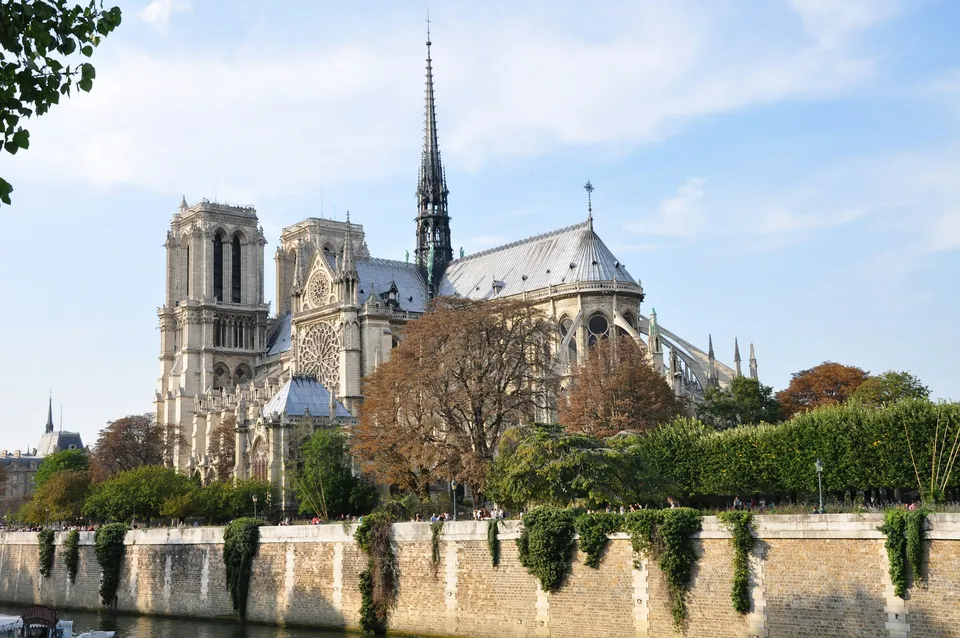
The cathedral has reopened after the restoration that followed the fire of 2019, with a spire rebuilt identically, according to the tourism office. It is open every day and free: Monday to Friday from 7:55 a.m. to 7 p.m. (10 p.m. on Thursdays), Saturday from 8:25 a.m. and Sunday from 8:15 a.m. to 7:30 p.m., last entry 30 minutes before closing. To shorten the line you can book a free time slot on the cathedral’s site, a few hours or days ahead, but it is entirely optional. A free great organ recital is played on Sundays at 4 p.m.
Two paid visits: the Treasury (12 euros, reduced 6 euros; Monday to Friday 9 a.m. to 6 p.m., Saturday from 9:30 a.m., Sunday 1 to 6:30 p.m.), and the towers, run by the Centre des monuments nationaux: 16 euros, sold online only, no entry without a reservation, 424 steps to 69 meters with no elevator, and five minutes at the top. They open from 9 a.m. to 11 p.m. from April to September and to 5:30 p.m. from October to March.
4. The Sainte-Chapelle
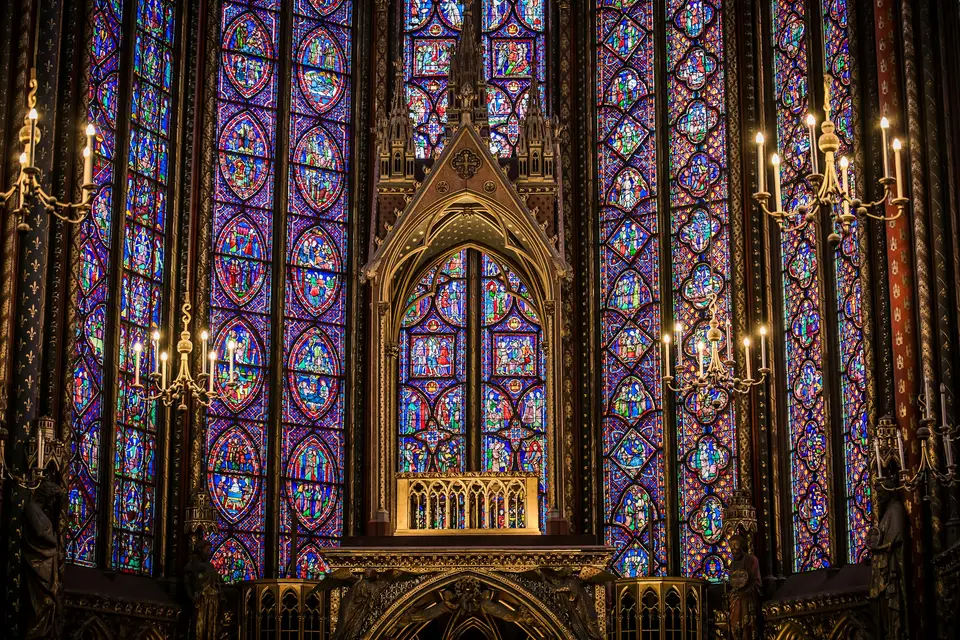
A short walk from Notre-Dame, inside the Palais de Justice, the Sainte-Chapelle is known for the stained glass of its upper chapel, reached by 33 steps. It is open from 9 a.m. to 7 p.m. from April to September and to 5 p.m. from October to March. Since January 12, 2026, a ticket costs 22 euros for non-EEA visitors and 16 euros for EEA residents; a combined ticket with the Conciergerie next door costs 30 and 23 euros. The monument strongly recommends buying in advance, because you may wait a very long time, or not get in, at busy periods, and Paris Museum Pass holders must still book a time slot.
5. The Seine and Its Banks
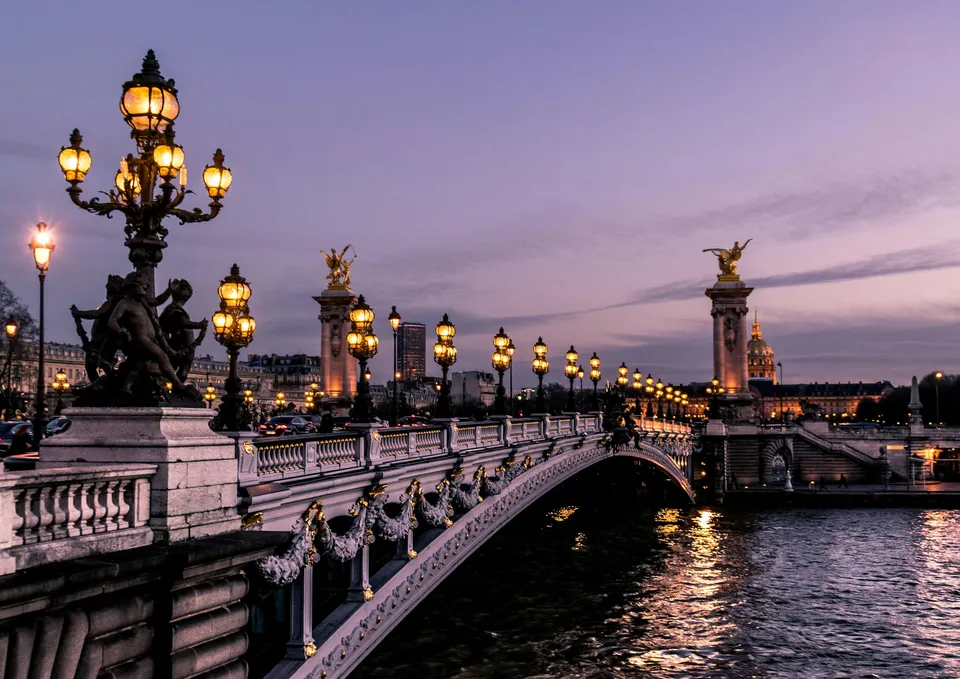
UNESCO inscribed “Paris, Banks of the Seine” on its World Heritage List in 1991: the bridges, quays and banks between the Pont de Sully and the Pont d’Iéna, with the Île de la Cité and the Île Saint-Louis. “From the Louvre to the Eiffel Tower, from the Place de la Concorde to the Grand and Petit Palais, the evolution of Paris and its history can be seen from the River Seine”, in its words. Walk the quays between the two islands and the Louvre, past the bouquinistes, the green book stalls that run for almost 3 kilometers along the banks, according to the tourism office.
Swimming in the Seine is the new Paris summer. In 2026, the city opened three free, supervised bathing sites from July 4 to August 30: Bras Marie, facing the Île Saint-Louis (8 a.m. to 6 p.m.), Grenelle, facing the Île aux Cygnes, and Bercy, facing the national library (11 a.m. to 9 p.m.), with no reservation. Swimmers must be at least 1.20 m tall, children under 14 need an adult, and a life jacket is lent on site. The city counted 120,000 swimmers in 2026; the 2027 dates were not yet published.
6. Montmartre and the Sacré-Cœur
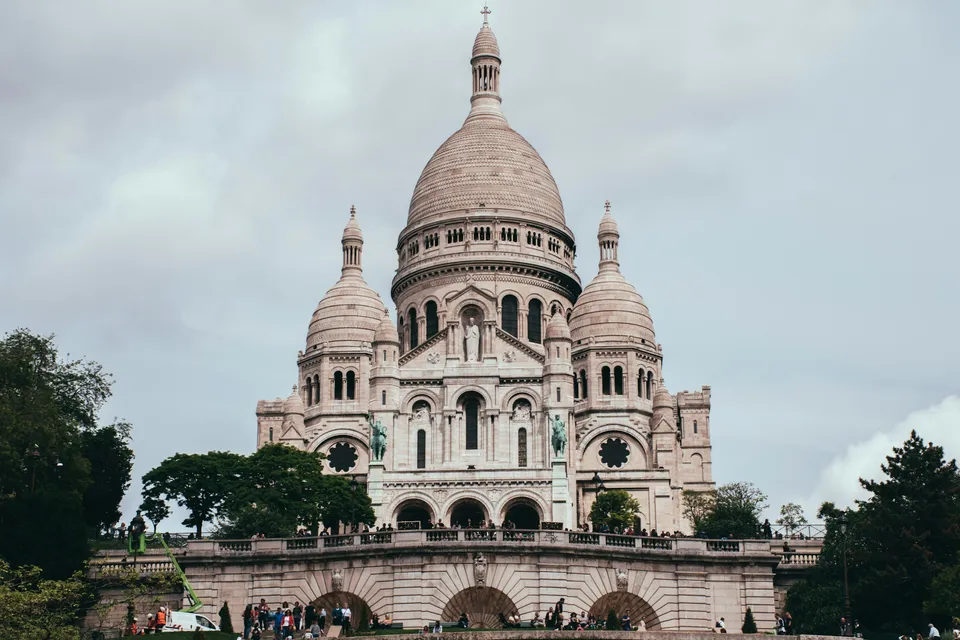
On the hill in the north of the city, the Sacré-Cœur basilica is open every day of the year from 6:30 a.m. to 10:30 p.m., free for everyone; between 10:30 a.m. and 5 p.m. you may wait 10 to 15 minutes to get in, and photography is not allowed in the nave. The dome costs 8 euros (5 euros up to age 15), with no booking needed, and opens from 10:15 a.m. to 5:30 p.m.; the only way up is a narrow staircase of 280 steps, with no elevator.
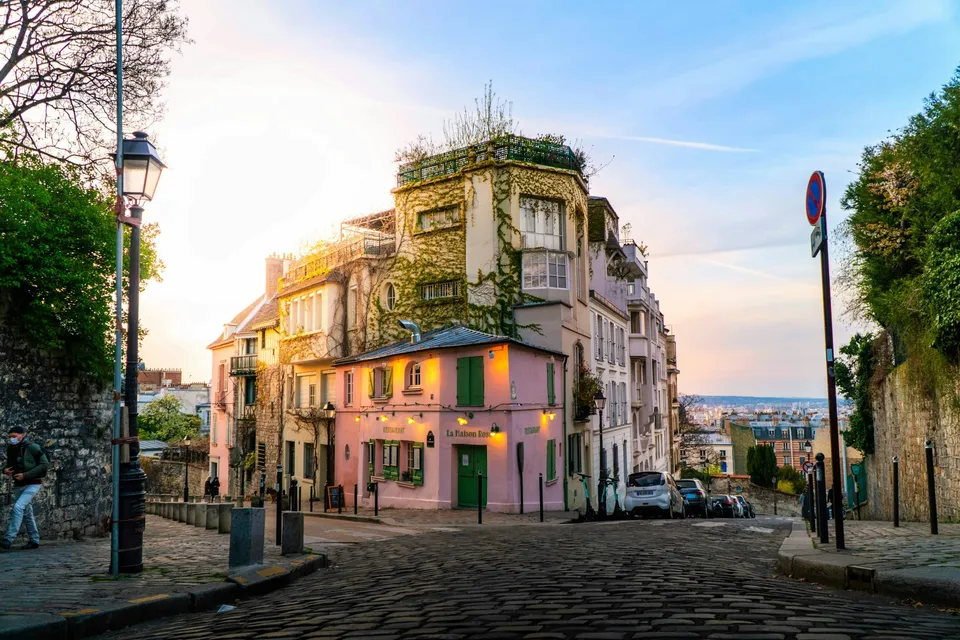
Around it, the tourism office describes the Montmartre of the painters’ workshops of Picasso and Utrillo, the birth of cubism, the cabarets, the vineyard and the painters of the Place du Tertre. Go early in the morning, before the crowds reach the top of the hill.
7. The Arc de Triomphe and the Champs-Élysées
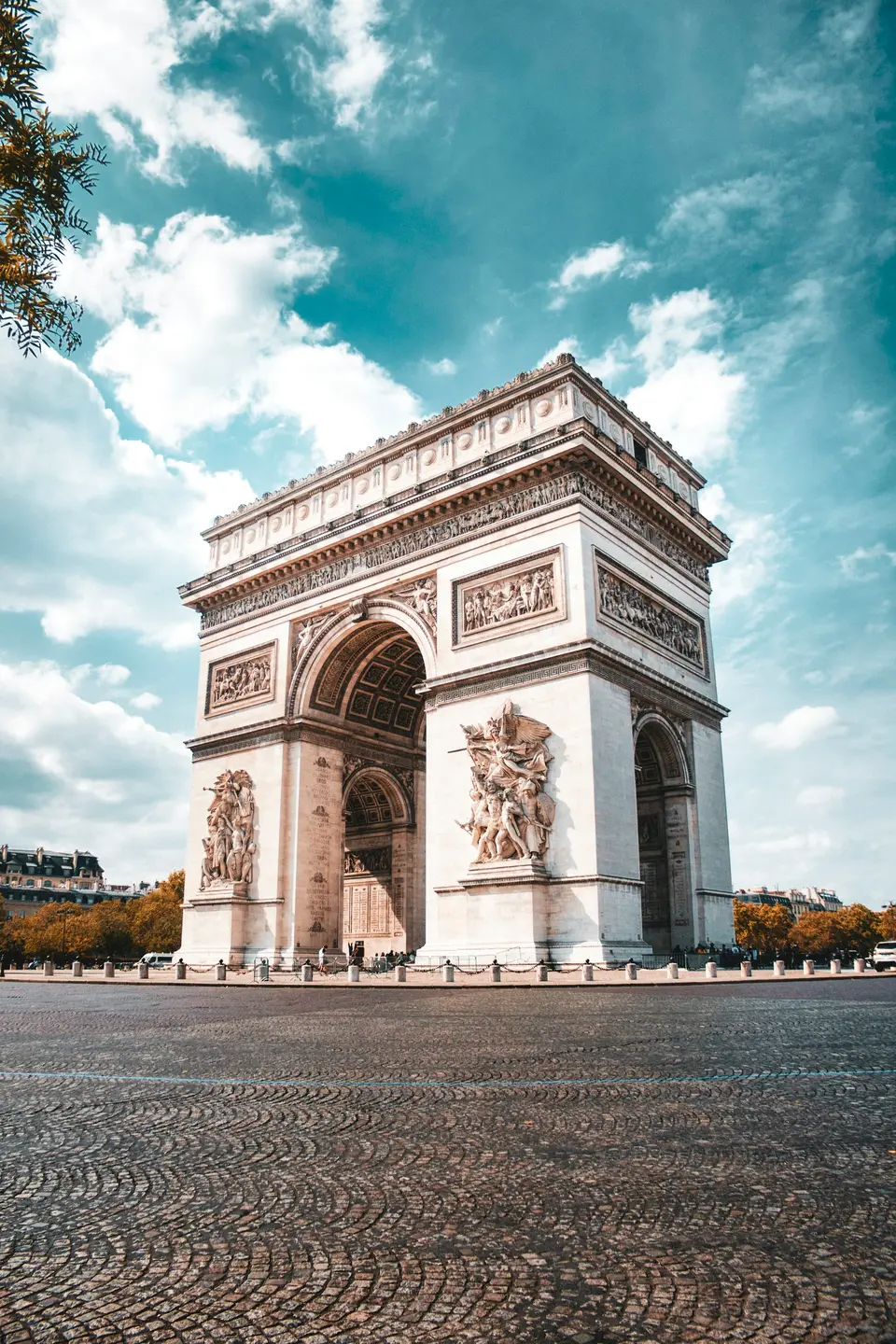
At the top of the Champs-Élysées, which the tourism office says is nicknamed “the most beautiful avenue in the world”, the Arc de Triomphe has a terrace 50 meters up with one of the great views of the city. Its elevator is being modernized, so for now you climb 284 steps, starting with a flight of 180. It opens from 10 a.m. to 11 p.m. from April to September and to 10:30 p.m. from October to March (from 11 a.m. on Tuesdays), and closes on May 1, May 8, July 14 and the morning of November 11. A ticket costs 16 euros from October to March; for April to September, the official page gives 22 euros, with a 16-euro rate it ties to Wednesdays. The Tomb of the Unknown Soldier, under the arch, is free. You reach the monument through the Passage du Souvenir, from the top of the Champs-Élysées or the avenue de la Grande-Armée.
8. Le Marais and the Place des Vosges
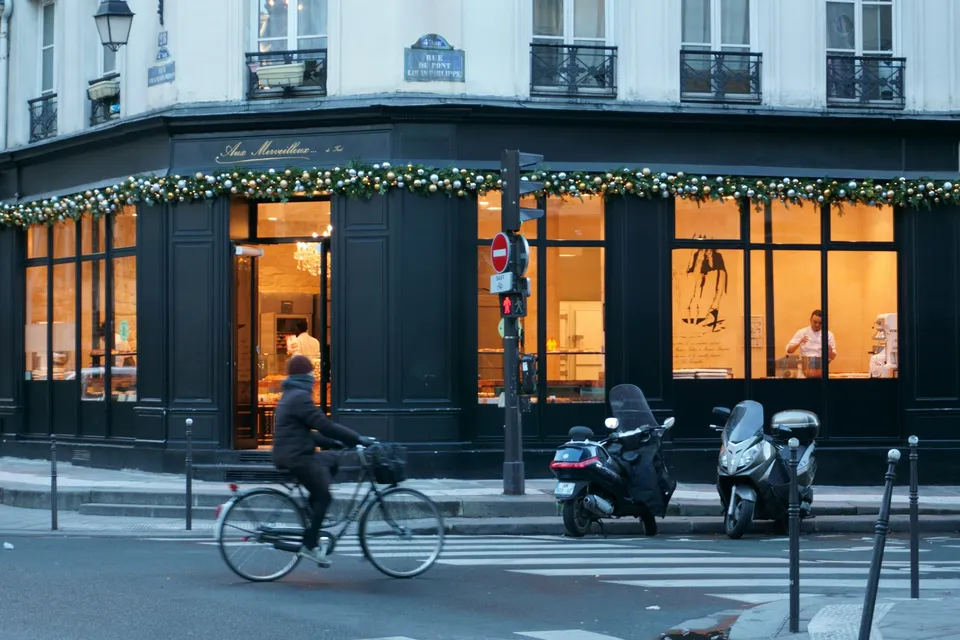
On the right bank, the Marais is a “village-like district built on the former marshes from which it takes its name”, the tourism office says, full of seventeenth-century private mansions, one of which, the Hôtel Salé, houses the Picasso museum. Its centerpiece is the Place des Vosges, built during the Renaissance and the oldest square in Paris. Come for the mansions, the Picasso museum and the square.
9. The Latin Quarter and the Panthéon
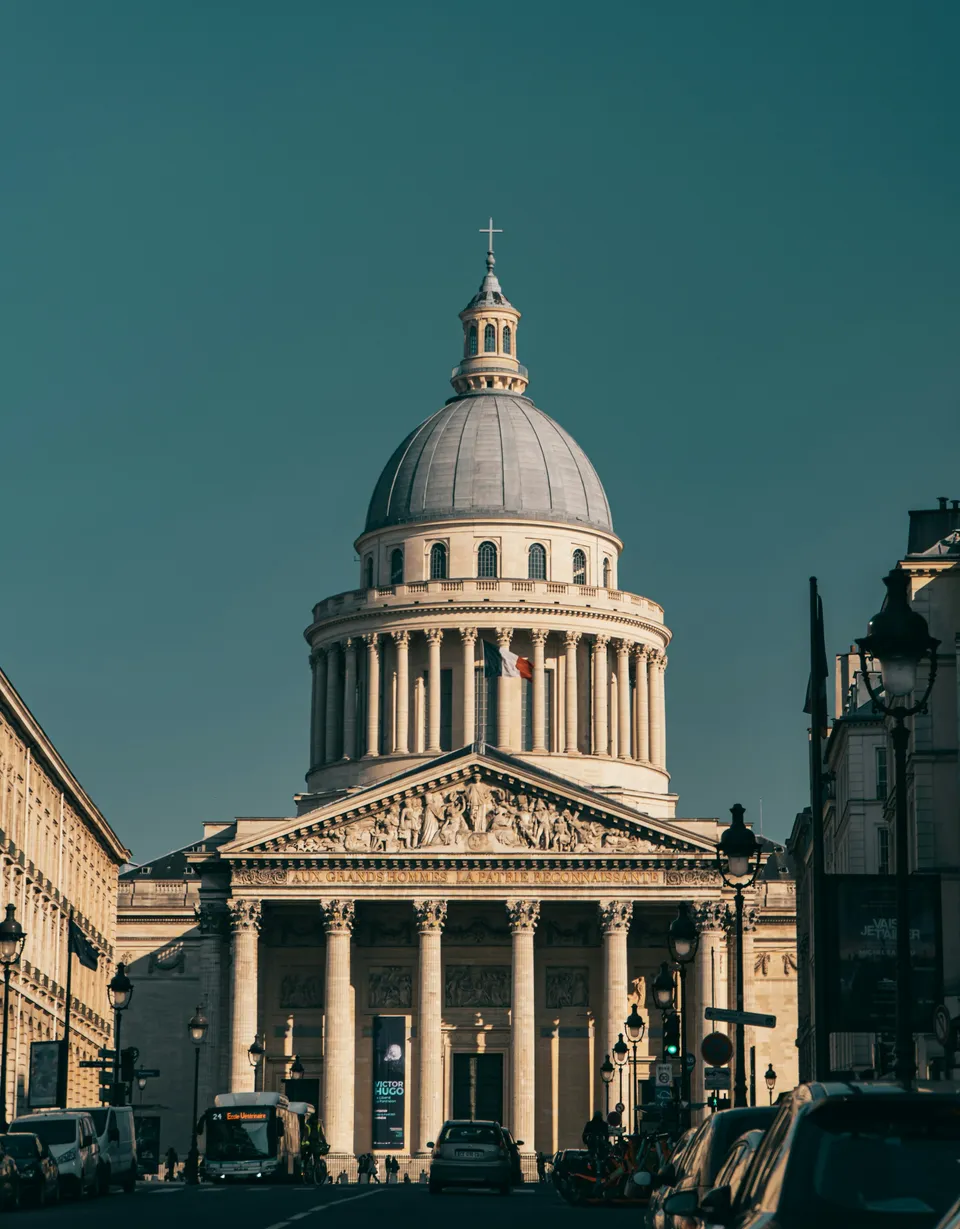
On the left bank, the Latin Quarter climbs to the Panthéon, built between 1758 and 1790 by the architect Jacques-Germain Soufflot, where Voltaire, Rousseau, Victor Hugo and Simone de Beauvoir are buried, according to the tourism office. Its ticket covers the nave and the crypt (13 euros from October to March, 16 euros from April to September); the panoramic terrace is closed to visitors. The tourism office’s walk through the district, about 50 minutes over 3.1 km, takes in the Place de la Contrescarpe, the Roman arena of Lutetia and the Cluny museum. Next door, Saint-Germain-des-Prés has one of the oldest churches in Paris, built in the sixth century, and the cafés of Camus and Sartre, the Café de Flore and the Brasserie Lipp.
10. The Gardens: Luxembourg, Tuileries and the Jardin des Plantes
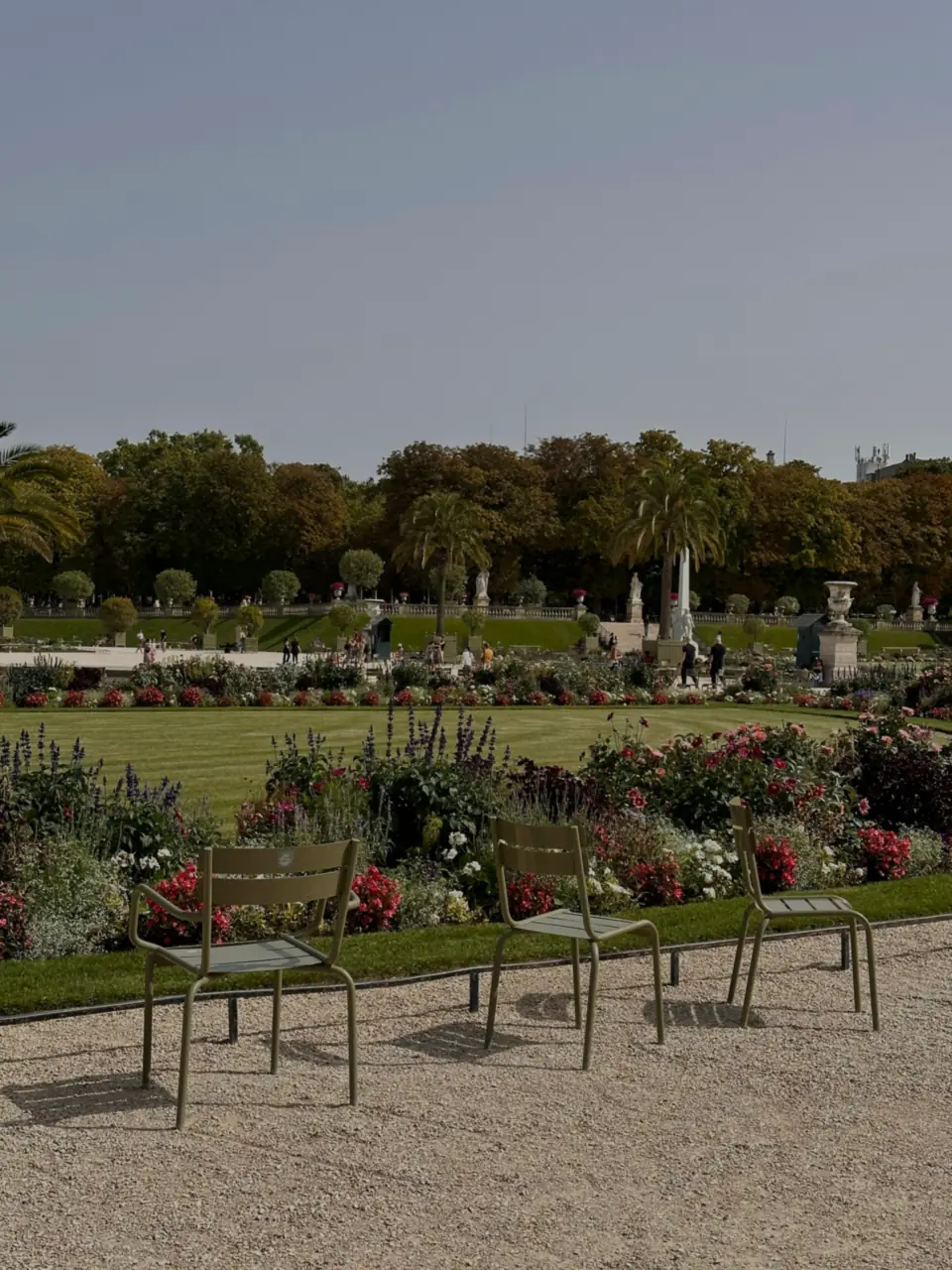
The Jardin du Luxembourg, between Saint-Germain-des-Prés and the Latin Quarter, is run by the French Senate. Its hours follow the daylight and change every fifteen days: in late November it opens at 8 a.m. and closes at 4:45 p.m.; in late June it stays open until 9:30 p.m.
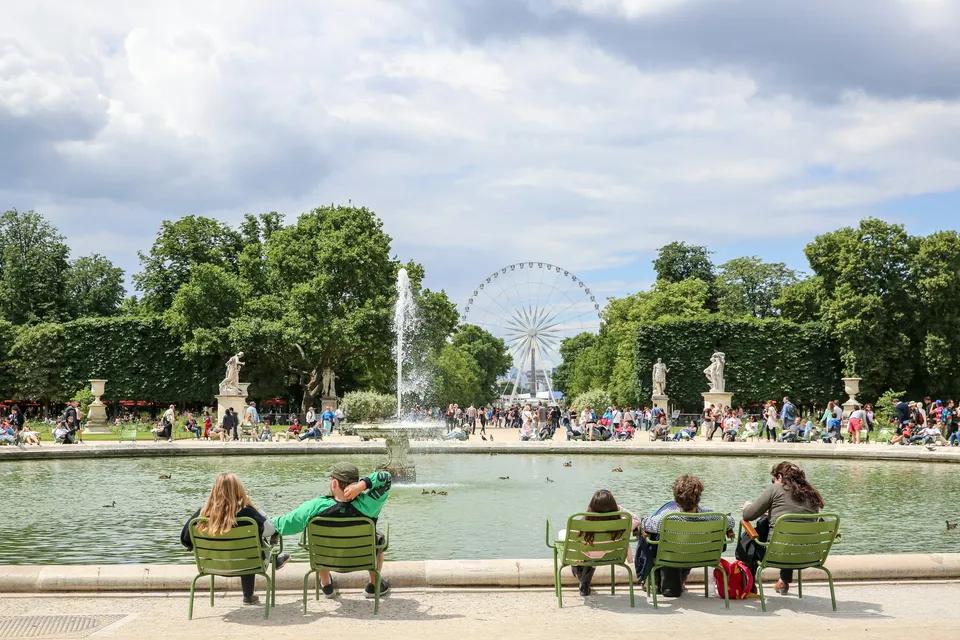
The Tuileries, between the Louvre and the Place de la Concorde, are free and open from 7:30 a.m. to 7:30 p.m. from November to March, to 9 p.m. in April, May, September and October, and to 11 p.m. in June, July and August. The Jardin des Plantes, the botanical garden open to the public for almost 400 years, is free and open every day, from 8 a.m. to 5:30 p.m. until February 28, 2027.
11. The Palais Garnier
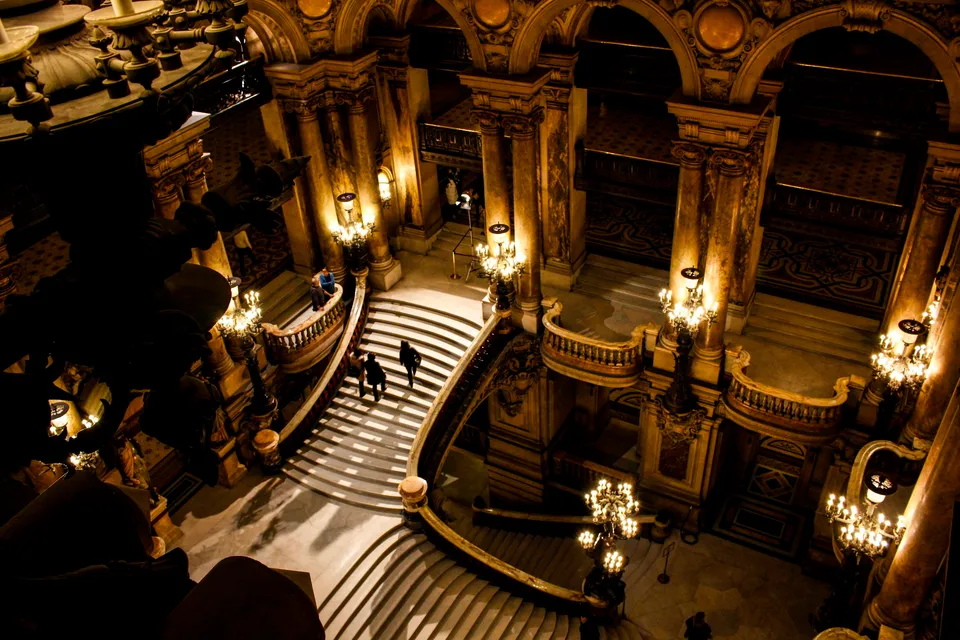
The opera house can be visited on your own, for 1 hour 30: 25 euros for non-EEA adults and 15 euros for EEA residents, 20 and 10 euros for ages 13 to 25, free at 12 and under. Tickets are sold online only, none on site, and they are neither refundable nor exchangeable. Rehearsals often close the auditorium without notice, and the Opéra says no ticket guarantees access to it.
12. The Catacombs
Twenty meters underground, the Catacombs hold an ossuary with the remains of several million Parisians, in a maze of galleries run by the City of Paris. They open Tuesday to Sunday from 9:45 a.m. to 8:30 p.m., last admission at 7:30 p.m. Tickets cost 31 euros, 25 euros reduced and 15 euros for ages 8 to 17, with the audio guide included, and booking online is strongly recommended.
Free Things to Do in Paris
- Notre-Dame, every day, and its Sunday organ recital at 4 p.m.
- The Sacré-Cœur basilica, every day from 6:30 a.m. to 10:30 p.m.
- The gardens: the Tuileries, the Luxembourg and the Jardin des Plantes.
- The esplanade and gardens under the Eiffel Tower, and the Tomb of the Unknown Soldier under the Arc de Triomphe.
- Swimming in the Seine in summer, at three free sites (July 4 to August 30 in 2026).
- Free museum days: the Louvre on the first Friday of the month after 6 p.m. (except in July and August) and on July 14; the Musée d’Orsay, the Orangerie and the Picasso museum on the first Sunday of the month (with a booked slot at Orsay and the Orangerie); the Arc de Triomphe, the Panthéon, the Sainte-Chapelle and the towers of Notre-Dame on the first Sunday of January, February, March, November and December.
- The Christmas markets of 2026: the Tuileries from November 14, 2026 to January 3, 2027, the Champs-Élysées from November 22, 2026 to January 4, 2027, and the square of Notre-Dame (Square René-Viviani) from November 26 to December 27, 2026, according to the tourism office.
Things to Do in Paris with Kids
Most sights are free or cheap for children: the Louvre, the Musée d’Orsay, the Sainte-Chapelle and the Arc de Triomphe are free under 18, the Eiffel Tower charges 6 to 9.20 euros for ages 4 to 11, and the Palais Garnier is free at 12 and under. Children love the gardens (the Luxembourg and the Tuileries, both with space to run), the climb to the top of the Eiffel Tower, and the Catacombs for older ones, with a children’s rate for ages 8 to 17. Two limits: the top of the Eiffel Tower and its stairs are not suitable for people with limited mobility, which matters with a stroller, and the towers of Notre-Dame and the dome of the Sacré-Cœur have no elevator.
The Paris Museum Pass: Is It Worth It?
The official Paris Museum Pass costs 85 euros for 2 days (48 hours), 105 euros for 4 days and 125 euros for 6 days, starts at your first visit and runs for consecutive hours, and covers more than 50 museums and monuments, among them the Louvre, the Musée d’Orsay, the Arc de Triomphe and the Palace of Versailles. It does not cover the Eiffel Tower. Two catches: it does not skip reservations (the Louvre, the Musée d’Orsay and the Sainte-Chapelle still require a booked time slot for pass holders), and some sellers add service fees. For a visitor paying non-EEA prices, the Louvre (32 euros), the Sainte-Chapelle (22 euros), the Musée d’Orsay (16 euros) and the Arc de Triomphe (16 or 22 euros) already add up to about the price of the 2-day pass, so it pays off if you see four major sites or more in two days.
Getting Around Paris
| Ticket, 2026 | Price | Good to know |
|---|---|---|
| Metro, train or RER ticket | 2.55 euros | One trip anywhere in the region, airports excluded |
| Bus or tram ticket | 2.05 euros | |
| Navigo Easy card | 2 euros | The card that holds tickets and day passes; each traveler needs their own |
| Navigo day pass | 12.30 euros | Unlimited travel in all zones for a day, airports excluded |
| Paris Visite pass | 30.60 euros (1 day), 45.40 (2), 63.80 (3), 78.00 (5) | Includes the airports, Versailles and Disneyland Paris |
| Airports ticket | 14 euros | Paris to Charles-de-Gaulle by RER B or to Orly by metro 14 |
Source: Île-de-France Mobilités, 2026 fares, read on November 25, 2026.
Tap-to-pay with a bank card works on almost all buses in Paris and the inner suburbs, but not yet at metro gates: Île-de-France Mobilités plans it for metro line 1 in July 2027 and for the whole rail network by 2030. Load your tickets on a Navigo Easy card or on your phone in the meantime.
From the airports to the city
| From | How | Time and price |
|---|---|---|
| Charles-de-Gaulle (CDG) | RER B to Gare du Nord and Châtelet | About 35 minutes; 14 euros; from 4:50 a.m. to 11 p.m. |
| Charles-de-Gaulle | Bus 9517 to Saint-Denis Pleyel, then metro 14 | 50 minutes to 1 hour 10 from central Paris; it replaced the RoissyBus, discontinued on March 1, 2026 |
| Orly | Metro line 14, direct to Châtelet | About 25 minutes; 14 euros (the direct Orlybus has not run since March 3, 2025) |
| Either airport | Taxi, fixed fare set by the Paris police | CDG: 56 euros to the right bank, 65 euros to the left bank; Orly: 45 and 36 euros |
Sources: Paris Aéroport, Charles-de-Gaulle by public transport, Orly and taxis, read on November 25, 2026.
A First Three Days in Paris
A plan by area, so you spend your time in the sights rather than on the metro:
- Day 1, the islands and the left bank: Notre-Dame and its towers, the Sainte-Chapelle, a walk along the quays, then the Latin Quarter, the Panthéon and the Luxembourg garden.
- Day 2, the great museums: the Louvre in the morning (booked), the Tuileries, the Orangerie or the Musée d’Orsay across the river, and the Eiffel Tower at the end of the day, booked for the evening.
- Day 3, the right bank and the hill: Montmartre and the Sacré-Cœur early, the Palais Garnier, the Marais and the Place des Vosges in the afternoon, and the Arc de Triomphe at sunset.
With a fourth day, take a train out of the city: our guide to the best day trips from Paris covers Versailles, Giverny, Mont-Saint-Michel and Normandy. And to choose the month of the trip, see the best time to visit Paris.
Staying Longer in Paris
A month or a season in Paris is a different trip, with its own rules. As an American visiting the Schengen area, you can usually stay a maximum of 90 days within any 180-day period, according to the European Commission; our guide to how long Americans can stay in France without a visa explains the count, and the Schengen calculator checks your dates. For a furnished flat by the month, our guides to renting in Paris and to the cost of living in Paris give the rents and the budget. Finding that flat, calling the agencies and setting up what you need in French is the kind of work our Personal Assistant handles: the calls, the forms and the apartment search, in French.
FAQ
What are the top things to do in Paris?
The Eiffel Tower, the Louvre, Notre-Dame and the Sainte-Chapelle on the Île de la Cité, the Musée d’Orsay, Montmartre and the Sacré-Cœur, the Arc de Triomphe, the Marais and the Place des Vosges, the Latin Quarter and the Panthéon, and a walk along the Seine, whose banks are a UNESCO World Heritage site.
Do I need to book the Eiffel Tower in advance?
It is strongly advised: elevator e-tickets go on sale up to 90 days ahead and sell out for June to September, school vacations and public holidays. From September 29, 2026, stairs tickets must be booked in advance. Same-day tickets are sold on site only if any are left.
How much does the Louvre cost for Americans?
32 euros since January 14, 2026, the rate for visitors from outside the European Economic Area; EEA citizens and residents pay 22 euros, and under-18s are free. The museum is closed on Tuesdays.
Is Notre-Dame open, and is it free?
Yes to both: the cathedral is open every day and entry is free, with an optional free time slot you can book online to shorten the line. The Treasury (12 euros) and the towers (16 euros, online only) are paid.
How many days do you need in Paris?
Three days cover the main sights by area: the islands and the left bank, the great museums, then Montmartre and the right bank. Add a fourth for a day trip to Versailles or Giverny, and a week lets you slow down and see the smaller museums.
Can you swim in the Seine?
Yes, in summer: in 2026 the city opened three free, supervised sites (Bras Marie, Grenelle and Bercy) from July 4 to August 30, with no reservation, for swimmers at least 1.20 m tall. The 2027 dates were not yet published.
How do you get from Charles-de-Gaulle airport to central Paris?
By RER B to Gare du Nord and Châtelet, about 35 minutes for 14 euros, or by taxi at a fixed fare of 56 euros to the right bank and 65 euros to the left bank. The RoissyBus stopped running on March 1, 2026.
Conclusion
Paris rewards a little planning more than most cities. Book the Eiffel Tower and the Louvre as soon as your dates are set, expect the non-European prices at the Louvre, the Sainte-Chapelle and the Palais Garnier, and fill the rest of the days with what is free: Notre-Dame, the Sacré-Cœur, the gardens and the Seine. Then group the sights by area, and keep a day for Versailles or Giverny. For the museums in detail, see our guide to the best museums in Paris; for the rest of France, start with the South of France.
The parts of the move Americans find out about too late.
What Americans get wrong about moving to France, and the number, form or deadline that fixes it. Straight to your inbox.
One email a week. Real numbers, nothing else.
Written by
Aurelio Maurici
Co-Founder, EasyFranceNow
Aurelio Maurici is a French entrepreneur and co-founder of EasyFranceNow. His work focuses on the intersection of French administration, banking constraints affecting U.S. nationals, tax residency and cross-border reporting, healthcare enrollment, and the procedural realities Americans encounter while settling in France.


